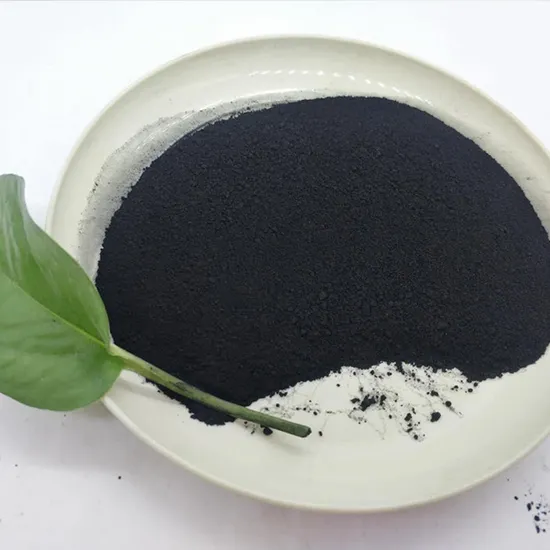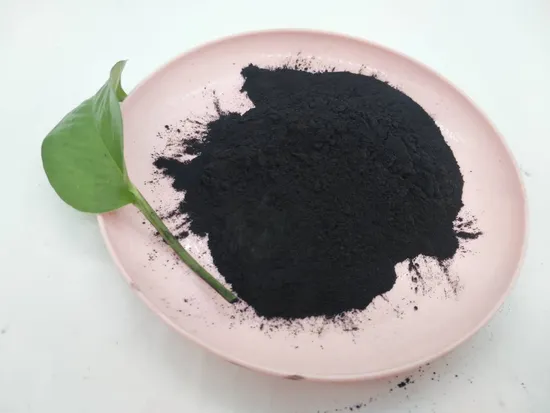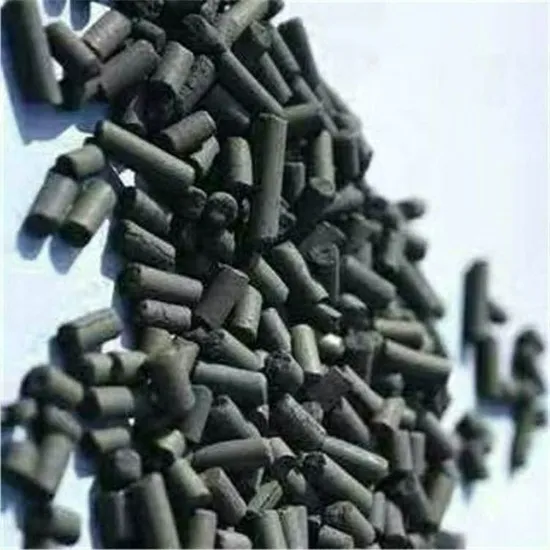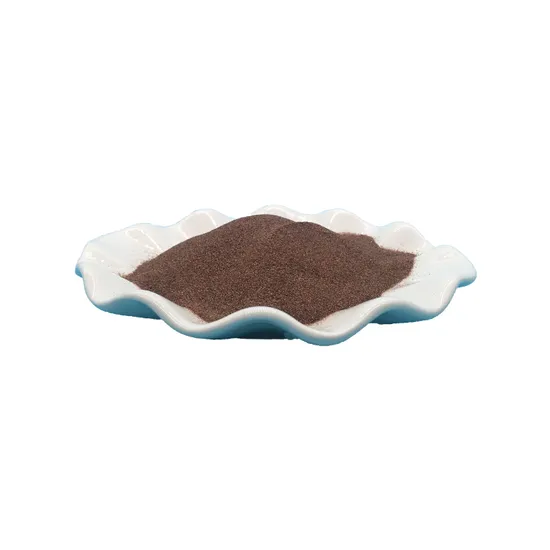
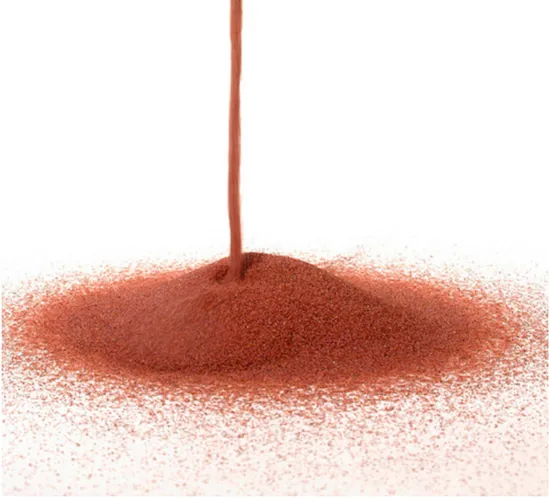


For industrial manufacturing and laboratory research purposes only.
Product Specifications
| Parameter | Value |
|---|---|
| Model NO. | Manganese Sand |
| Application | Machinery |
| Function | Surface Finish |
| Source | Natural Abrasives |
| Particle Size | Abrasive |
| Hardness | Superabrasive |
| Transport Package | Jumbo Bag |
| Specification | 20/40/60/80mesh |
| Trademark | BuyChemCn |
| Origin | China |
| HS Code | 2513200000 |
| Production Capacity | 100000tons /Year |
Consistent 20-40 Mesh Garnet Abrasive for Precision Water Jet Cutting and Sand Blasting (HS Code: 2513200000)
We’ve seen countless production delays caused by inconsistent garnet abrasive particle sizes—either too coarse leading to surface damage or too fine resulting in poor cutting efficiency. Inconsistent hardness across batches has also forced manufacturers to constantly adjust their water jet pressure settings, wasting valuable production time and increasing material costs.
Stable Garnet Abrasive Solution for Industrial Surface Treatment
Our 20-40 Mesh Garnet Abrasive delivers the uniform particle distribution and consistent hardness needed to eliminate these frustrations. With over a decade of experience supplying abrasive materials to manufacturing enterprises across Southeast Asia, we understand the critical role that reliable abrasives play in maintaining production efficiency. Our product ensures precise cutting performance in water jet systems and uniform surface finish in sand blasting applications, meeting the demanding standards of industrial production lines.
Industrial Applications of 20-40 Mesh Garnet Abrasive
This garnet abrasive media is specifically engineered for heavy-duty industrial use, including precision water jet cutting of metals, ceramics, and composite materials, as well as sand blasting for surface preparation in automotive, aerospace, and marine manufacturing. Its optimal particle size (20-40 mesh) makes it ideal for achieving controlled material removal rates while minimizing dust generation—a key consideration in industrial workshop environments.
Why Garnet Abrasive Specifications Matter for Production
The 20-40 mesh particle size ensures a balance between cutting speed and surface quality—coarser than 20 mesh may cause excessive surface pitting, while finer than 40 mesh reduces cutting efficiency by up to 30%. As a superabrasive material, its hardness guarantees longer service life compared to conventional abrasives, reducing更换频率 and lowering overall operational costs. The natural abrasive source ensures minimal contamination, critical for applications requiring clean surface finishes prior to coating or bonding processes.
Benefits of Using Our Garnet Sand Blasting Material
Choosing our garnet abrasive means investing in production consistency—each batch meets strict quality control standards, eliminating the need for frequent process adjustments. Unlike inferior abrasives that contain harmful impurities, our product complies with REACH regulations, ensuring safe handling and environmental compliance. With a production capacity of 100,000 tons per year, we guarantee stable supply even for large-scale manufacturing operations, preventing costly production interruptions.
Our Quality Commitment for Garnet Abrasives
Every batch of our garnet abrasive undergoes rigorous testing, including particle size analysis via sieve testing and hardness verification using the Mohs scale. Customers receive a Certificate of Analysis (COA) with each shipment, documenting key parameters such as particle size distribution and impurity levels. Our ISO 9001-certified production process ensures repeatable quality, and we offer a full replacement guarantee for any product failing to meet specified standards. Our technical team provides personalized support to help optimize abrasive usage for specific applications.
Certificate of Analysis & Documentation
Each delivery includes a batch-specific COA and Material Safety Data Sheet (MSDS) containing detailed handling instructions. For quality verification, customers can request additional testing reports, including particle size distribution charts and impurity analysis, by providing their order number. Comprehensive documentation supports compliance with industrial quality management systems and regulatory requirements.
Storage & Handling
- Store in a cool, dry, well-ventilated area, sealed and away from direct sunlight.
- Keep away from incompatible materials, food and feed sources.
- Handle with appropriate personal protective equipment (gloves, goggles, lab coat).
- Follow good industrial hygiene practices. Avoid inhalation and skin contact.
- Refer to MSDS for detailed storage and safety instructions.
How to Order 20-40 Mesh Garnet Abrasive
Initiate your order by contacting our sales team with your specific requirements, including quantity and delivery timeline. We recommend requesting a sample for compatibility testing with your equipment. Once specifications are confirmed, we process orders within 3 business days, with support for both bulk and scheduled deliveries. All shipments include the necessary documentation for customs clearance and quality verification.
Frequently Asked Questions
Q: What is the shelf life of the garnet abrasive?
A: When stored in original sealed packaging under recommended conditions, the product has an indefinite shelf life with no degradation in performance.
Q: Can this garnet abrasive be used for food or medical equipment surface treatment?
A: No, this product is for industrial and laboratory research use only, not for applications involving direct human contact or food processing equipment.
Q: What documentation is provided with each shipment?
A: Each order includes a Certificate of Analysis (COA), Material Safety Data Sheet (MSDS), and commercial invoice for customs clearance.
Q: Do you offer custom particle sizes outside 20-40 mesh?
A: Yes, we can provide custom mesh sizes including 60/80 mesh as specified in our product specifications.
Q: How is the product's particle size verified?
A: Particle size is determined using standardized sieve analysis per industry testing protocols, with results documented in the COA.