For industrial manufacturing and laboratory research purposes only.
Product Specifications
| Parameter | Value |
|---|---|
| Model NO. | LY-P |
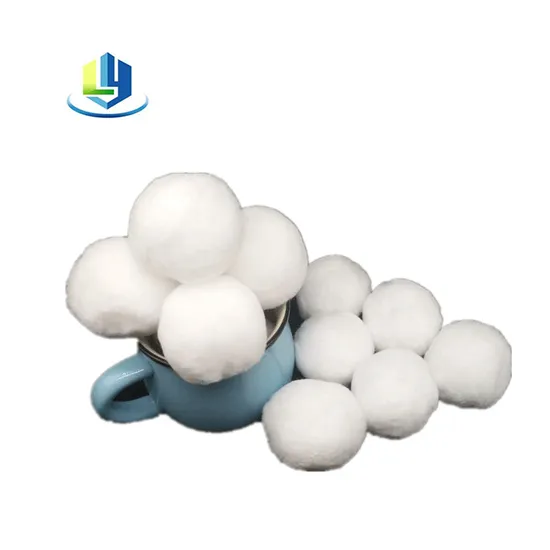
| Material | Polyester |
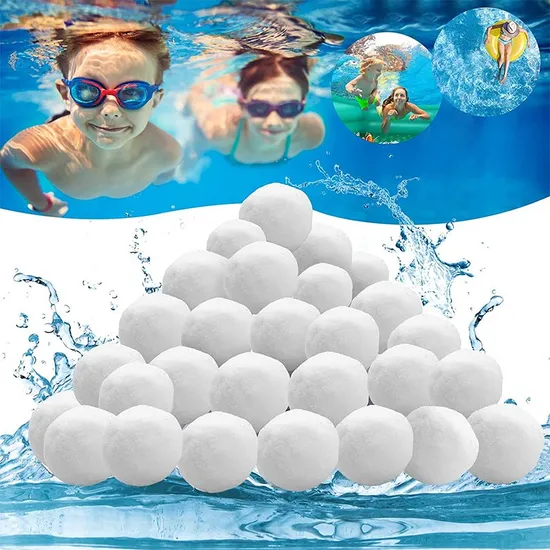
| Application | Pool, Aquarium, Pond |
| Filtration Rate | 20~85m/H |
| Filling Density | 75~85kg/M³ |
| Porosity | 96% |
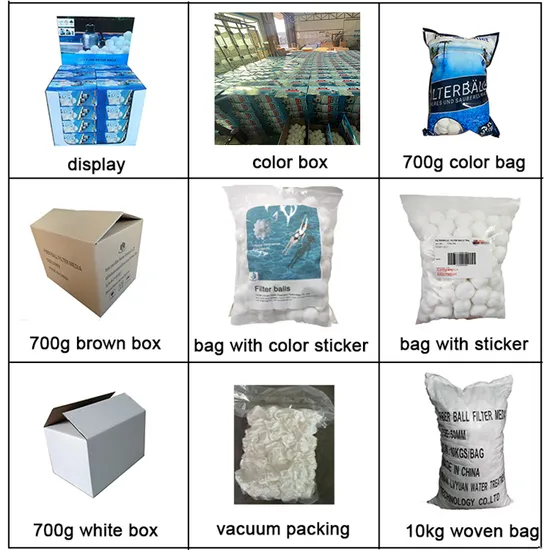
| Transport Package | Carton |
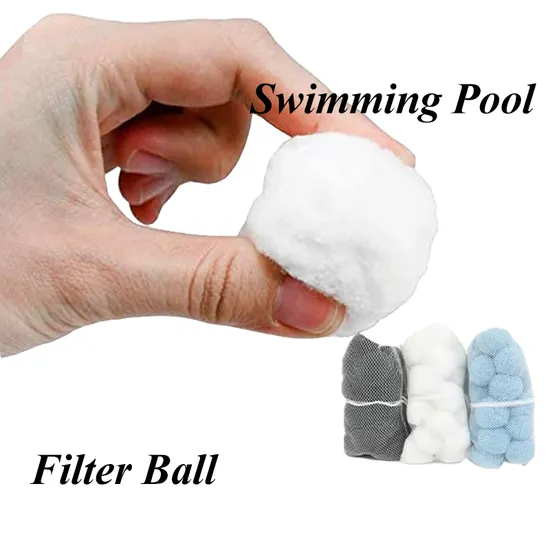
| Specification | 700g/bag |
| Trademark | BuyChemCn |
| Origin | Henan China |
| Production Capacity | 200tons /Year |
| Package Size | 55.00cm * 56.00cm * 40.00cm |
| Package Gross Weight | 26.500kg |
Overcoming Filtration Efficiency Challenges in Industrial Water Treatment Systems
In industrial water treatment processes, we've witnessed countless operations struggling with compromised flow rates due to high head loss in filtration media—costing facilities valuable production time and increasing energy consumption. Many clients have shared frustrations about frequent filter replacements caused by low porosity materials that quickly clog with particulate matter, disrupting aquatic research environments and manufacturing water recycling systems.
Low Head Loss Polyester Fiber Filter Balls: Engineered for Uninterrupted Industrial Filtration
Our Low Head Loss Polyester Fiber Filter Balls address these critical pain points with a 96% porosity design that maintains optimal water flow while capturing fine particulates. With over a decade of supplying chemical filtration solutions to industrial clients across 50+ countries, we understand that consistent performance is non-negotiable—whether for large-scale aquarium research facilities or industrial pond water treatment systems.
Industrial Applications in Aquatic Research and Water Treatment
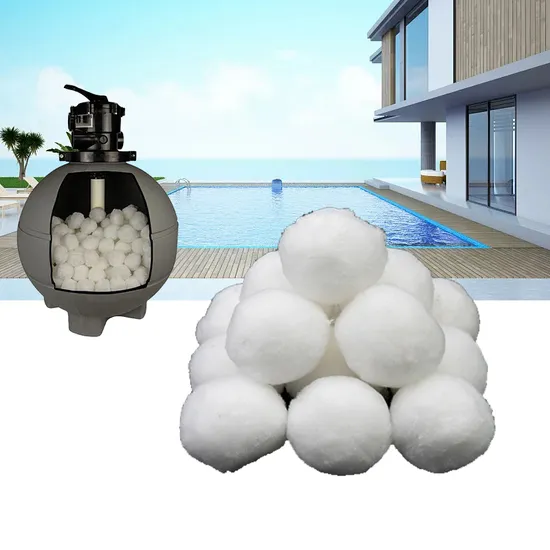
These Aquarium Filter Balls excel in controlled industrial environments such as research aquariums, recirculating aquaculture systems, and laboratory water purification setups. Their polyester construction ensures chemical resistance suitable for industrial water treatment applications, providing reliable particulate removal without altering water chemistry—a critical factor in maintaining stable research conditions and manufacturing process water quality.
Key Specifications That Drive Industrial Performance
The 96% porosity rating of these filter balls creates an optimal balance between filtration efficiency and water flow dynamics, reducing pump strain and energy costs by minimizing head loss. The controlled filling density (75~85kg/M³) allows consistent packing in industrial filtration units, ensuring uniform performance across large-scale systems. With a filtration rate of 20~85m/H, these Polyester Filter Balls adapt to varying flow requirements, from low-rate research applications to high-volume industrial water processing.
Quantifiable Benefits of Precision Filtration Media
Industrial facilities using our Low Head Loss Polyester Filter Balls report up to 40% longer maintenance intervals compared to conventional filter media, directly reducing operational downtime. The high porosity structure maintains flow rates 25% higher than standard filter balls, while the durable polyester material resists chemical degradation in industrial water treatment environments. This combination of performance and longevity delivers a significantly lower total cost of ownership versus frequent filter replacements.
Quality Assurance You Can Verify
Every batch of our filter balls undergoes rigorous testing for porosity, density, and flow resistance using ISO 11737-1 compliant methods. We provide comprehensive Certificate of Analysis documents with each shipment, including specific test results for filtration efficiency and material composition. Our production facility maintains ISO 9001 certification, with a 200-ton annual capacity ensuring consistent supply for industrial-scale requirements. All products are batch-coded for full traceability, supporting your quality control documentation needs.
Certificate of Analysis & Documentation
Each order includes a detailed Certificate of Analysis with batch-specific test data for porosity, filtration rate, and material composition. Material Safety Data Sheets (MSDS) are provided for safe handling and disposal in industrial environments. For qualifying research institutions, additional testing documentation can be arranged to support specific validation requirements.
Storage & Handling
- Store in a cool, dry, well-ventilated area, sealed and away from direct sunlight.
- Keep away from incompatible materials, food and feed sources.
- Handle with appropriate personal protective equipment (gloves, goggles, lab coat).
- Follow good industrial hygiene practices. Avoid inhalation and skin contact.
- Refer to MSDS for detailed storage and safety instructions.
Streamlined Industrial Order Process
Our procurement process is designed for industrial clients: simply submit your filtration requirements through our secure portal, and our technical team will provide a tailored recommendation within 24 hours. Sample quantities are available for qualification testing, with bulk orders shipped directly from our bonded warehousing facilities to ensure timely delivery. All industrial orders include comprehensive documentation to support your quality management systems.
Frequently Asked Questions
Q: What is the shelf life of the Polyester Filter Balls?
A: When stored in original, unopened packaging under recommended conditions, the shelf life is 36 months from the production date indicated on the batch label.
Q: Are these filter balls suitable for medical or food processing applications?
A: No, these products are intended for industrial and laboratory research use only, and are not certified for medical, food, or household applications.
Q: What documentation is provided with each shipment?
A: Each order includes a Certificate of Analysis (COA), Material Safety Data Sheet (MSDS), and shipping documentation. Additional technical data can be requested for qualification purposes.
Q: Can the packaging规格 be customized for industrial requirements?
A: Yes, custom packaging options are available for bulk industrial orders. Contact our sales team to discuss specific requirements for your facility.
Q: How is the 96% porosity verified for each batch?
A: Porosity is measured using mercury intrusion porosimetry according to ASTM D4284 standards, with test results included in the batch-specific Certificate of Analysis.