For industrial manufacturing and laboratory research purposes only.
Product Specifications
| Parameter | Value |
|---|---|
| Model NO. | Activated Carbon |
| Iodine Value | 600-900 mg/g |
| Usage | Air Purification, Gas Phase Adsorption, Industrial Decolorization, Water Treatment |
| Carbon Content | High-Carbon |
| Pore Diameter | Macroporous |
| Manufacturing Method | Physical-Chemical Method of Activated Carbon |
| Type | Gas Adsorption |
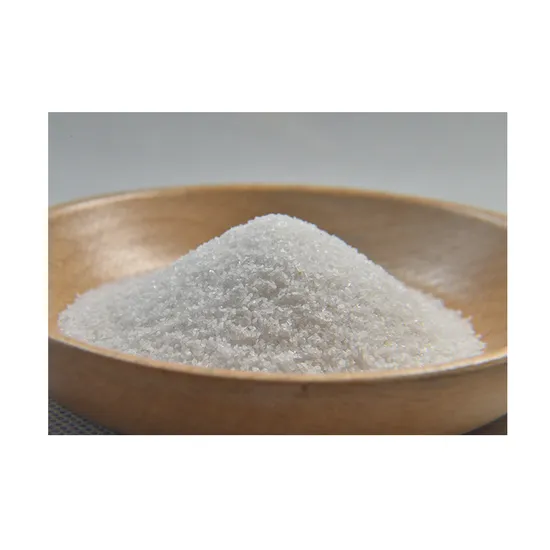
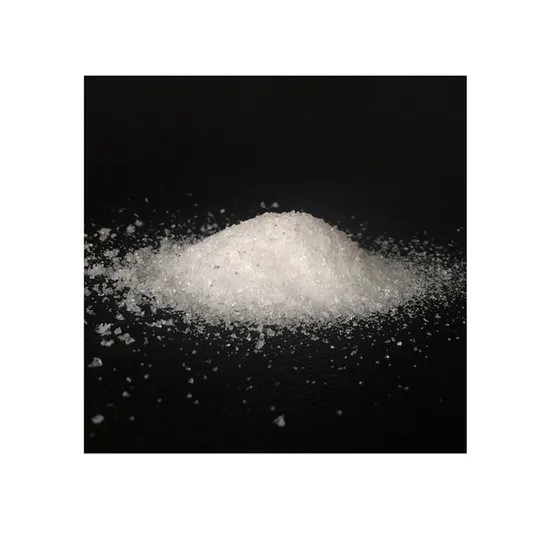
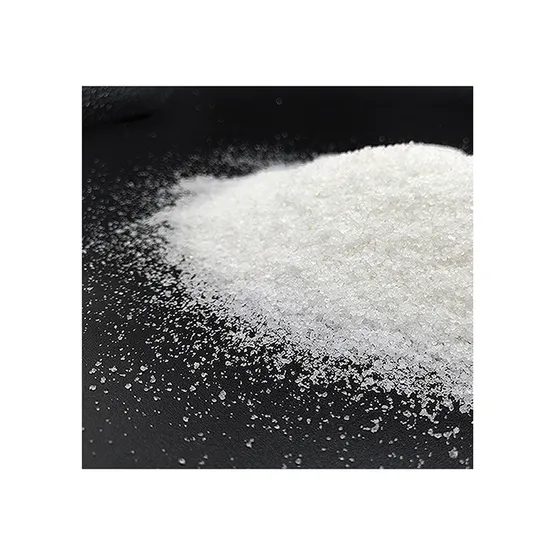
| Appearance | Granular |
| Physical Properties | Pore Volume |
| Chemical Properties | pH Value |
| Adsorption Properties | Methylene Blue Adsorption Value |
| CAS No. | 64365-11-3 |
| Formula | C |
| Einecs | 264-846-4 |
| Artificial Graphite Type | Activated Charcoal |
| Transport Package | 25kg, 500kg |
| Specification | granular |
| Trademark | Lvyuan |
| Origin | China |
| HS Code | 3802109000 |
| Production Capacity | 2000tons/Day |
Addressing Inconsistent Adsorption Performance in Water Treatment with Coconut Shell Activated Carbon (CAS 64365-11-3)
Industrial water treatment facilities and research laboratories often face critical challenges with activated carbon—unstable iodine values leading to inconsistent contaminant removal, batch-to-batch variability disrupting process validation, and unreliable supply chains causing production delays. In our 10+ years serving over 10,000 industrial clients across 50+ countries, we’ve witnessed how these issues directly impact operational efficiency and research reproducibility.
A Stable Solution for Water Treatment and Industrial Adsorption
Our Coconut Shell Granular Activated Carbon for Water Treatment delivers consistent 600-900 mg/g iodine values, addressing the core pain points of adsorption instability. As a leading chemical trade hub with integrated bonded warehousing and cross-border logistics capabilities, we ensure reliable supply even for large-scale industrial demands, supporting seamless production and research continuity.
Key Industrial Applications
This Granular Activated Carbon is engineered for critical industrial processes including water treatment, where its high-carbon content and macroporous structure effectively adsorb organic contaminants and heavy metals. It also serves gas phase adsorption systems and industrial decolorization processes, providing versatile solutions for manufacturing facilities and research institutions requiring precise adsorption performance.
Why Iodine Value and Pore Structure Matter
The 600-900 mg/g iodine value directly indicates adsorption capacity—higher values mean greater ability to remove organic compounds in water treatment applications. Its macroporous structure enhances flow dynamics in industrial systems, preventing pressure drop issues common with finer particle activated carbons. The physical-chemical activation method ensures uniform pore distribution, critical for consistent performance across batches. These specifications collectively reduce process variability and enhance operational efficiency in industrial settings.
The Value of Reliable Activated Carbon Sourcing
Using our High Iodine Carbon minimizes the risks of production disruptions caused by inconsistent adsorption performance. Unlike unreliable sources, our product complies with strict industrial standards, supported by our ISO 9001-certified quality management system. Consistent supply from our 2000 tons/day production capacity eliminates the hidden costs of emergency sourcing, while our one-stop logistics solutions reduce cross-border transportation complexities and delays.
Our Quality Assurance Commitment
Every batch undergoes rigorous testing including iodine value verification, methylene blue adsorption analysis, and pore volume measurement using industry-standard methods. We provide comprehensive COA documents with each shipment, detailing all critical parameters. Our 10+ years of experience in chemical supply chain management ensures full traceability from raw material sourcing to final delivery, with dedicated technical support available to address specific application requirements.
Certificate of Analysis & Documentation
Each shipment includes a batch-specific Certificate of Analysis (COA) and Material Safety Data Sheet (MSDS). For research institutions requiring detailed validation data, complete adsorption performance reports can be provided upon request, including methylene blue adsorption curves and pore size distribution analysis.
Storage & Handling
- Store in a cool, dry, well-ventilated area, sealed and away from direct sunlight.
- Keep away from incompatible materials, food and feed sources.
- Handle with appropriate personal protective equipment (gloves, goggles, lab coat).
- Follow good industrial hygiene practices. Avoid inhalation and skin contact.
- Refer to MSDS for detailed storage and safety instructions.
Streamlined Ordering Process
Initiate your order by submitting an online inquiry with your specific requirements, including desired iodine value range and packaging size. We provide prompt technical consultation to confirm suitability for your application, followed by sample provision for qualification testing. Upon approval, our efficient supply chain ensures timely delivery with full documentation support.
Frequently Asked Questions
Q: What is the typical shelf life of this activated carbon?
A: When stored properly in sealed packaging under recommended conditions, the product maintains stable adsorption performance for 24 months from the production date.
Q: Can this product be used for drinking water treatment?
A: This product is intended for industrial and laboratory research use only. For potable water applications, specific food-grade certifications are required, which are not provided for this product.
Q: What documentation is provided with each shipment?
A: Each order includes a Certificate of Analysis (COA) with batch-specific test results and a Material Safety Data Sheet (MSDS) with handling and safety information.
Q: Is custom packaging available for large orders?
A: Yes, we offer custom packaging solutions for bulk orders, including super sacks and drum packaging, to meet specific industrial handling requirements.
Q: How is the iodine value verified for each batch?
A: Iodine value is determined using ASTM D4607 standard test method, with results documented in the batch COA for full traceability.